How Grease Trap Repairs Keep Dallas Kitchens Running?
Grease traps play an important role in commercial kitchens by separating fats, oils, and grease from wastewater before it enters the drainage system. Over time, regular cooking and dishwashing can place pressure on the equipment, especially in restaurants with high daily food production. When a grease trap stops working correctly, it may cause slow drainage, unpleasant odors, or wastewater backups. Understanding Grease Trap Repair Services in Dallas, TX helps restaurant owners recognize equipment problems and learn how timely repairs can support cleaner, more reliable kitchen operations.
What Can Indicate a Grease Trap Problem?
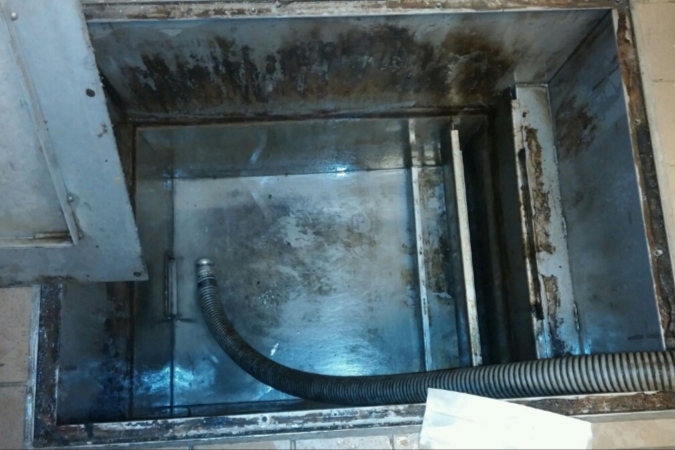
Changes in drainage are often among the first signs that a grease trap needs attention. Water may drain slowly from connected sinks, unpleasant smells may develop near the unit, or wastewater may begin backing up into the kitchen. Visible leaks around the tank, loose connections, and damaged covers can also indicate a problem. Although some symptoms result from accumulated grease, others may involve damaged components or plumbing faults. Observing these warning signs helps restaurant managers identify concerns early and determine whether cleaning, inspection, or repair is necessary.
Why Do Grease Traps Stop Working Properly?
Several factors can affect grease trap performance. Excessive grease accumulation, irregular cleaning, food particles entering the unit, and wastewater volumes beyond its capacity can interfere with normal operation. Over time, seals, pipes, and other components may also wear out. Restaurants that prepare large quantities of fried food or operate multiple dishwashing stations may place greater demands on their grease management systems. Identifying the underlying cause is essential because removing grease alone will not correct a broken connection, damaged component, or unsuitable system design.
How Are Grease Trap Repairs Carried Out?
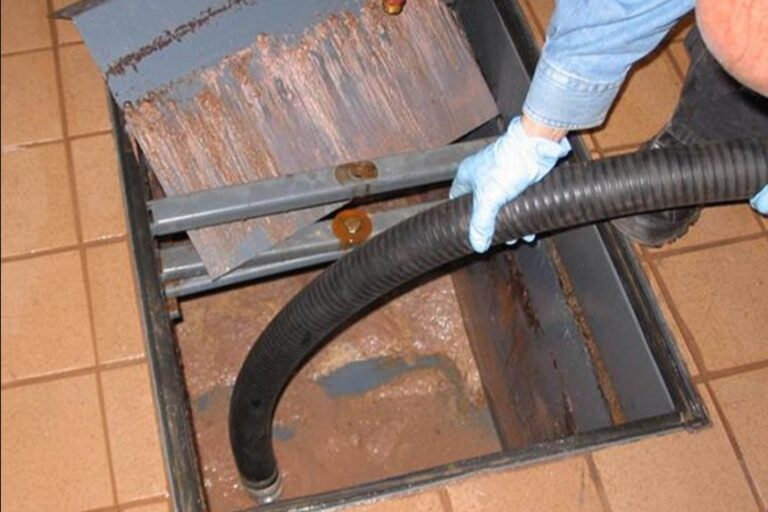
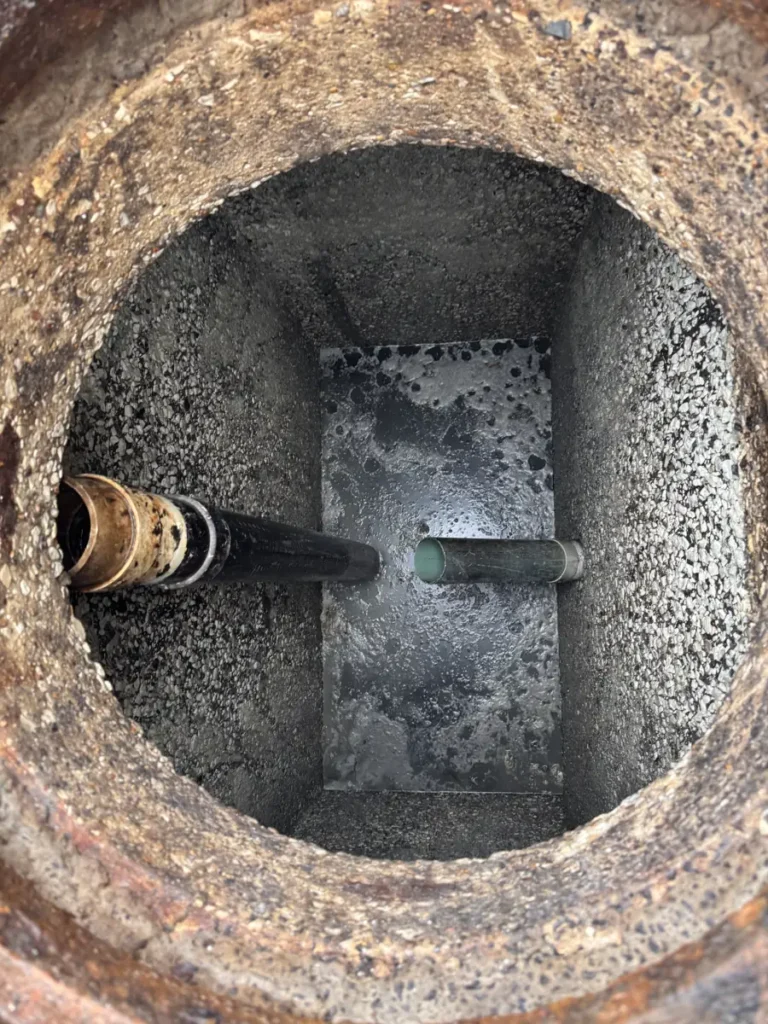
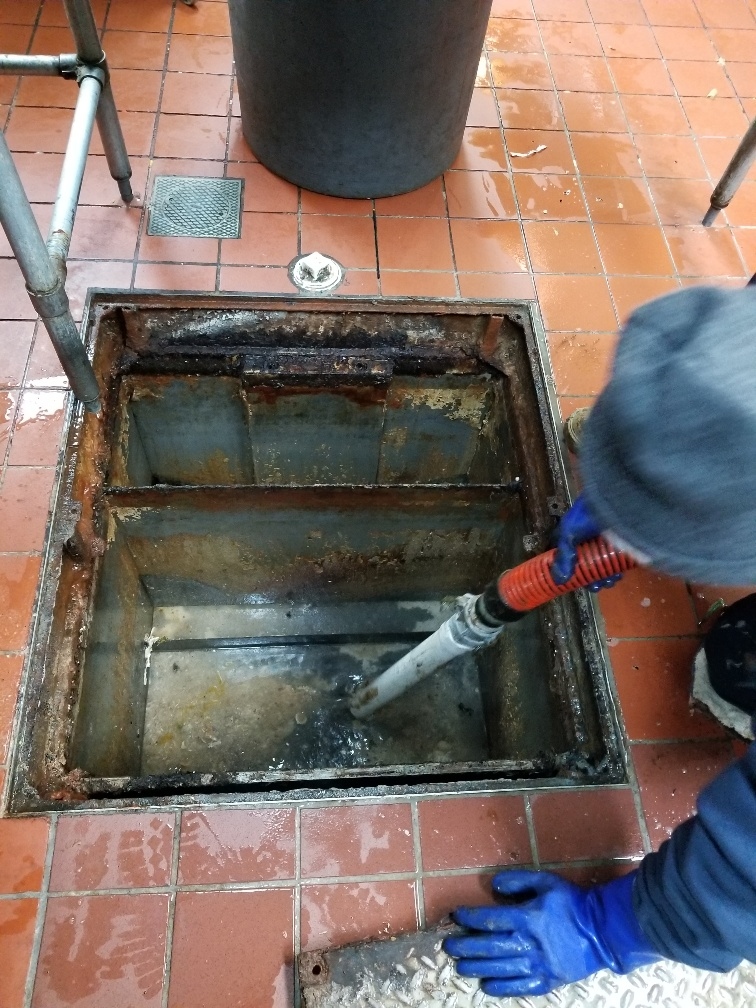
The repair process usually begins with an inspection to determine why the unit is malfunctioning. Depending on the findings, the required work may include fixing leaks, replacing damaged parts, correcting faulty connections, or addressing drainage restrictions. Technicians may also examine the inlet and outlet pipes to identify obstructions that affect wastewater movement. Once the problem is identified, the appropriate repair can be selected based on the equipment’s condition and manufacturer’s recommendations. A thorough assessment helps prevent repeated problems caused by treating only the visible symptoms.
When Should Dallas Restaurants Seek Professional Help?
Persistent odors, recurring blockages, visible leaks, and wastewater backups are reasons to arrange an inspection. Restaurants should also investigate problems that return soon after routine cleaning, as they may indicate an underlying mechanical or plumbing issue. Grease Trap Repair Dallas helps businesses address grease trap concerns and understand the importance of keeping their systems in working condition. Prompt attention can help limit kitchen disruptions and reduce the risk of a minor issue developing into a more complicated repair. Business owners should also follow applicable local plumbing and maintenance requirements.
What Practices Help Prevent Repeat Repairs?
Regular maintenance can reduce unnecessary strain on grease trap equipment. Employees should scrape food scraps into waste containers, avoid pouring used cooking oil into sinks, and follow an appropriate cleaning schedule. Restaurant managers should monitor drainage performance and keep records of inspections, cleaning, and repairs. If problems continue despite these practices, the system’s capacity, installation, and plumbing connections may need further evaluation. Combining responsible kitchen habits with timely servicing helps Dallas restaurants manage grease more effectively and maintain dependable drainage throughout daily operations.