How Deep Cleaning Keeps Dallas Grease Traps Efficient ?
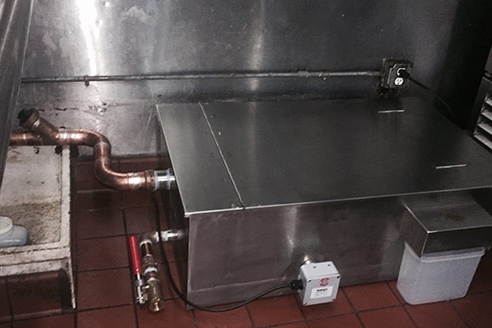
Grease traps help commercial kitchens manage wastewater by separating oils, fats, and food-related solids before they travel farther into the drainage network. During regular food preparation, these materials continuously enter the system and gradually collect inside the trap. If the accumulated waste is not properly managed, it can reduce the available space within the unit and interfere with normal wastewater handling. Restaurants, cafeterias, hotels, and other food service facilities therefore need to pay attention to the condition of their grease traps. Consistent cleaning can help maintain the equipment and reduce the likelihood of drainage concerns developing during busy kitchen operations.
What Happens When Grease Remains Inside?
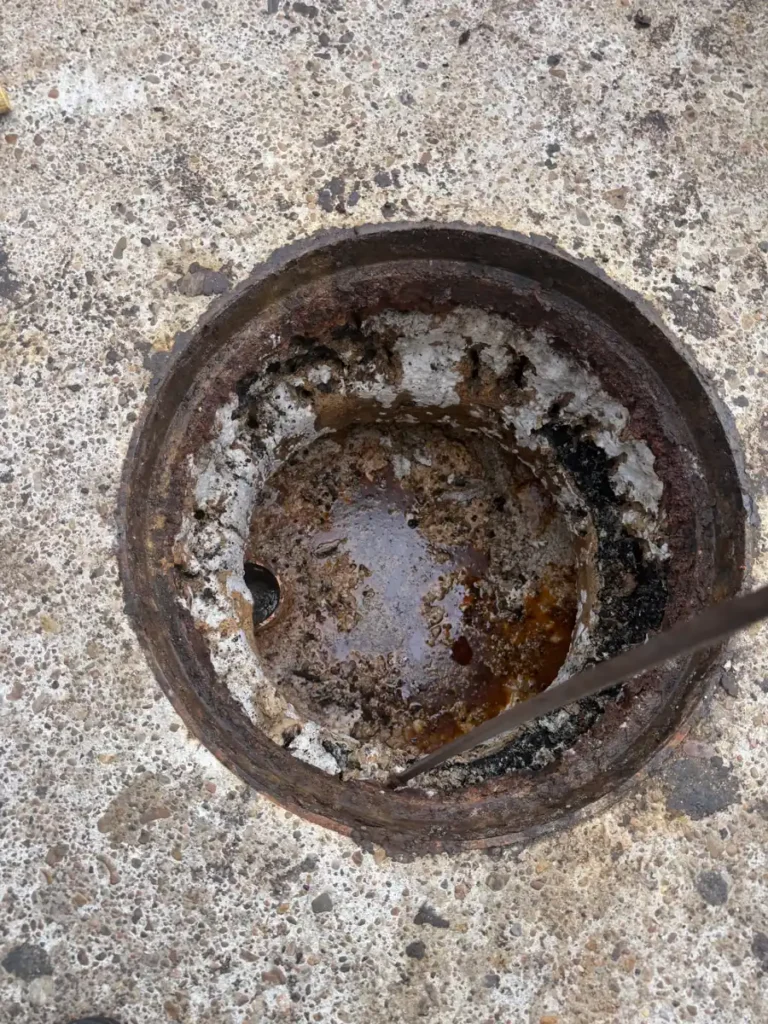
Grease can change considerably after it enters a trap. As it cools and mixes with food particles, it may become thicker and settle against the interior surfaces. Repeated kitchen activity adds new material to the existing residue, gradually creating heavier layers inside the unit. This process can happen slowly, which means a business may not notice a serious problem until the trap has already accumulated substantial waste. Kitchens with frequent frying, grilling, or high-volume food preparation may experience faster accumulation. Understanding this process helps business owners recognize why cleaning should address more than just the waste that is immediately visible.
Why Deep Cleaning Has a Role?
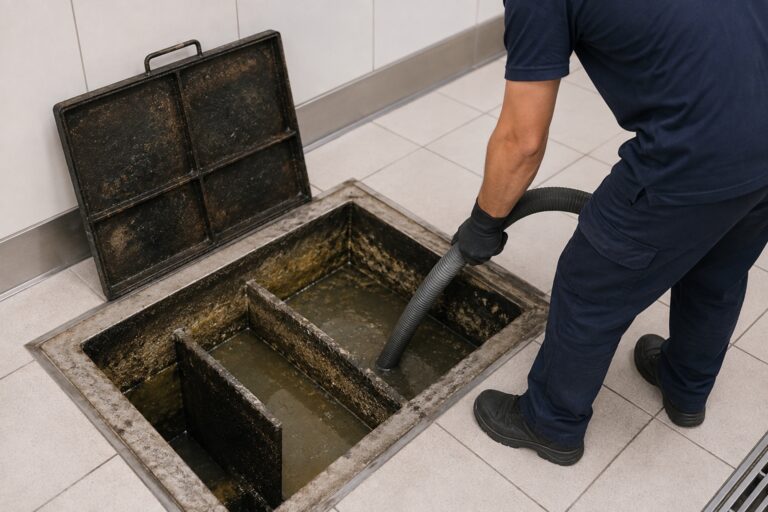
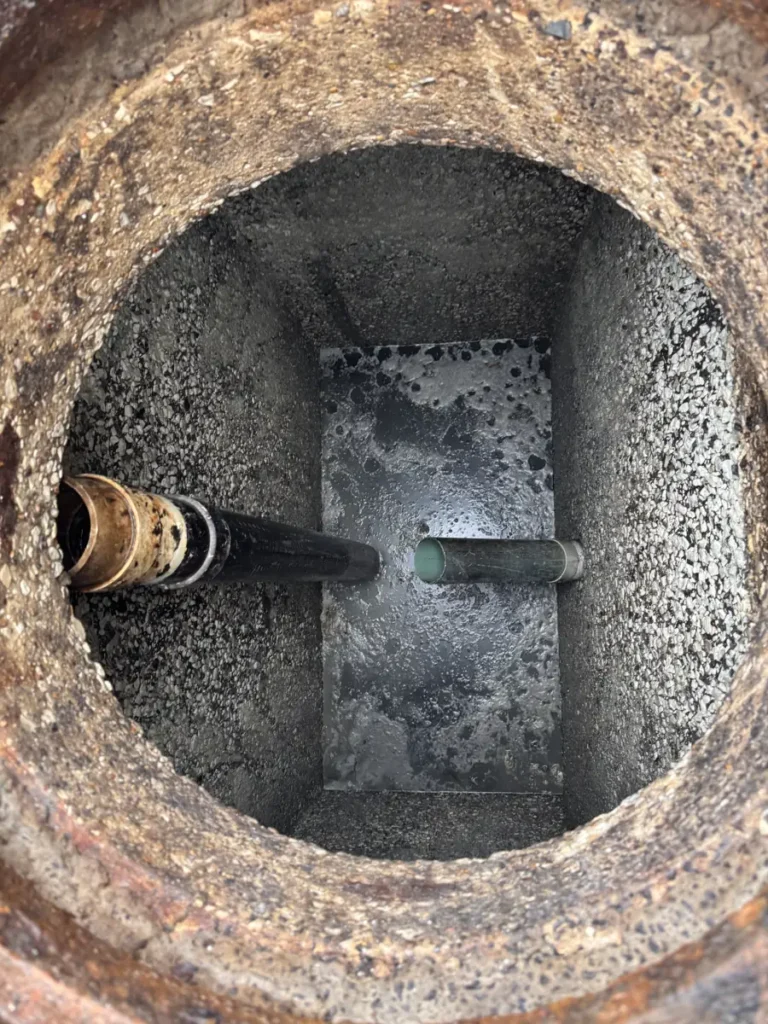
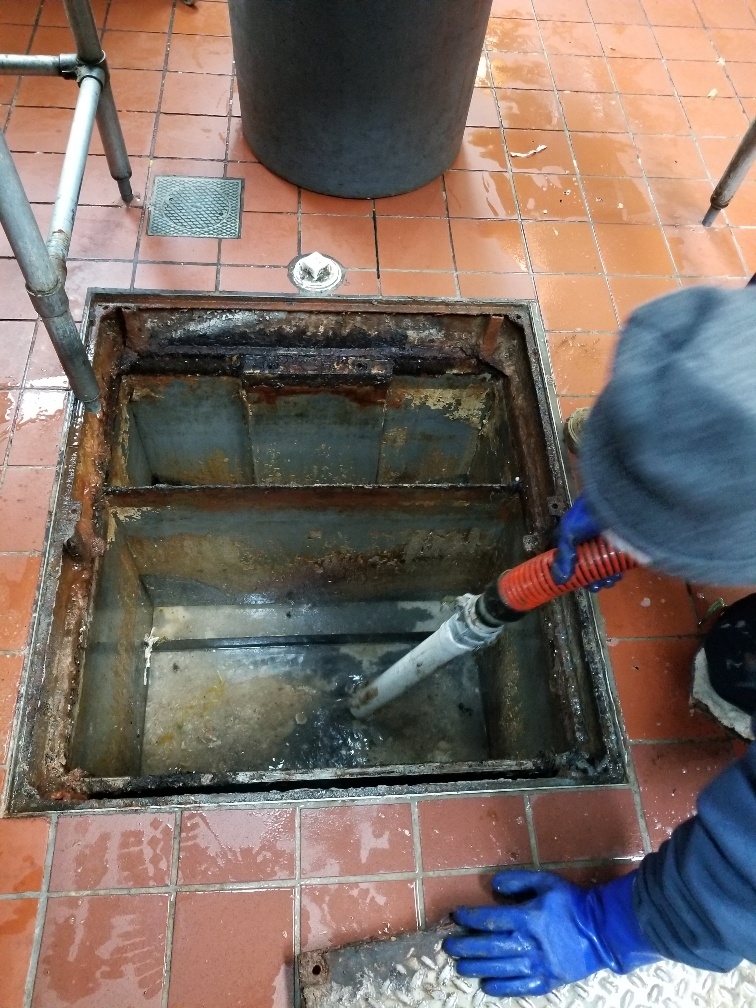
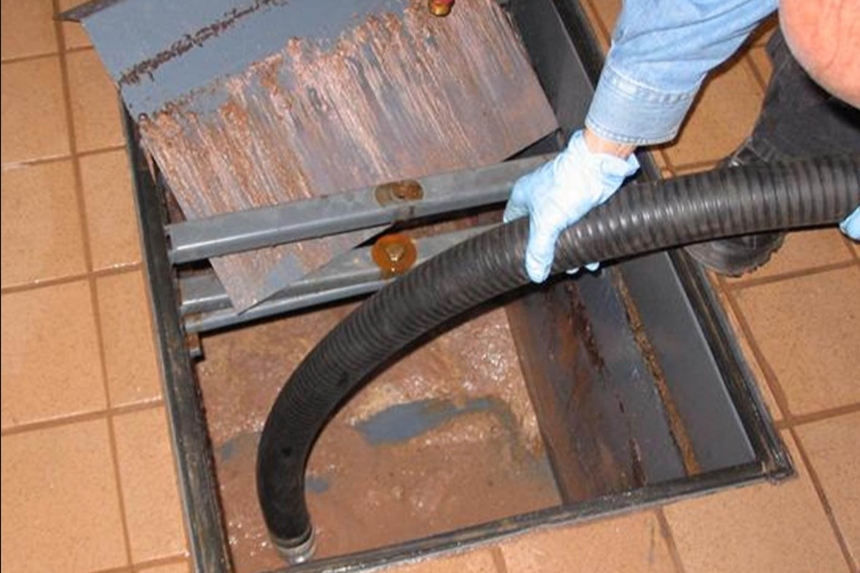
Grease Trap Deep Cleaning in Dallas, TX is intended to address accumulated residue that can remain inside a trap after ordinary waste removal. A thorough cleaning can reach areas where grease has settled and hardened, helping remove deposits that may otherwise continue taking up valuable space. This can be useful for commercial kitchens where regular operations produce significant amounts of grease throughout the day. Keeping the interior cleaner gives the trap more usable capacity for incoming wastewater and grease. The frequency and depth of cleaning should depend on the condition of the unit and the amount of material generated by the kitchen rather than following the same routine for every business.
Recognizing Changes in Trap Condition
A grease trap may show several gradual changes when internal buildup becomes excessive. Odors can become more noticeable around the unit, while connected sinks may begin draining less efficiently. Some businesses may also find that the trap requires attention more frequently than it previously did. These changes can indicate that residue is accumulating faster or that the available capacity has been reduced. Addressing such signs early can make maintenance easier and help prevent a small cleaning concern from becoming a larger disruption. Regular observation is particularly useful for kitchens that operate for long hours or handle large amounts of grease-producing food.
Choosing a Practical Cleaning Routine
The right maintenance frequency depends on how a commercial kitchen actually operates. A restaurant with continuous cooking activity will usually generate waste at a different rate than a small establishment with limited food preparation. Menu choices, daily meal volume, cooking equipment, trap design, and wastewater production can all influence the rate of accumulation. Businesses can use their previous service history to understand how quickly residue develops and adjust their maintenance routine accordingly. A cleaning schedule based on actual kitchen conditions can help prevent excessive buildup while making grease trap care a more predictable part of regular facility management.
Grease Trap Maintenance for Dallas Businesses
Keeping a grease trap in suitable condition requires more than waiting until drainage problems become noticeable. Grease Trap Repair Dallas provides professional grease trap services for commercial kitchens that need cleaning and maintenance support. Proper servicing can help address accumulated grease and residue while providing an opportunity to assess the general condition of the trap. Regular attention may help preserve usable capacity, reduce persistent odors, and support more consistent wastewater flow. For businesses operating commercial kitchens in Dallas, incorporating thorough grease trap cleaning into their maintenance practices can help create a more reliable drainage environment and reduce avoidable interruptions to daily operations.