What to Know Before Grease Trap Installation in Dallas?
A grease trap is an important component of wastewater management in commercial kitchens where cooking and food preparation can introduce fats, oils, and grease into the drainage system. Without proper grease separation, these materials may collect inside pipes and contribute to restricted wastewater flow over time. Installing the right system requires attention to the kitchen’s daily activity, plumbing arrangement, available space, and expected wastewater volume. Grease Trap Installation Services in Dallas, TX can help businesses understand these considerations and establish a grease management system that fits their commercial kitchen requirements.
Why Does a Commercial Kitchen Need a Grease Trap?
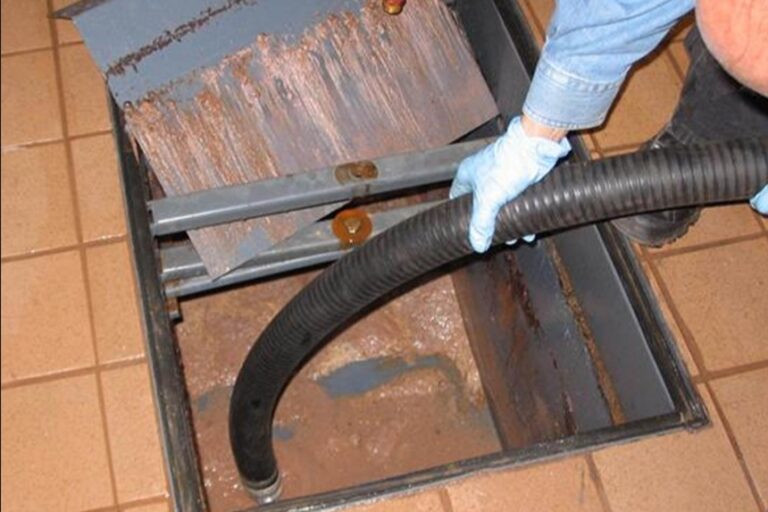
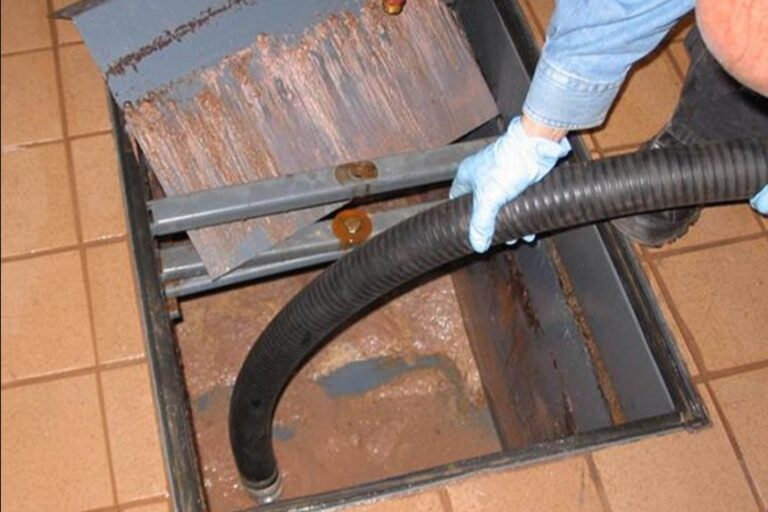
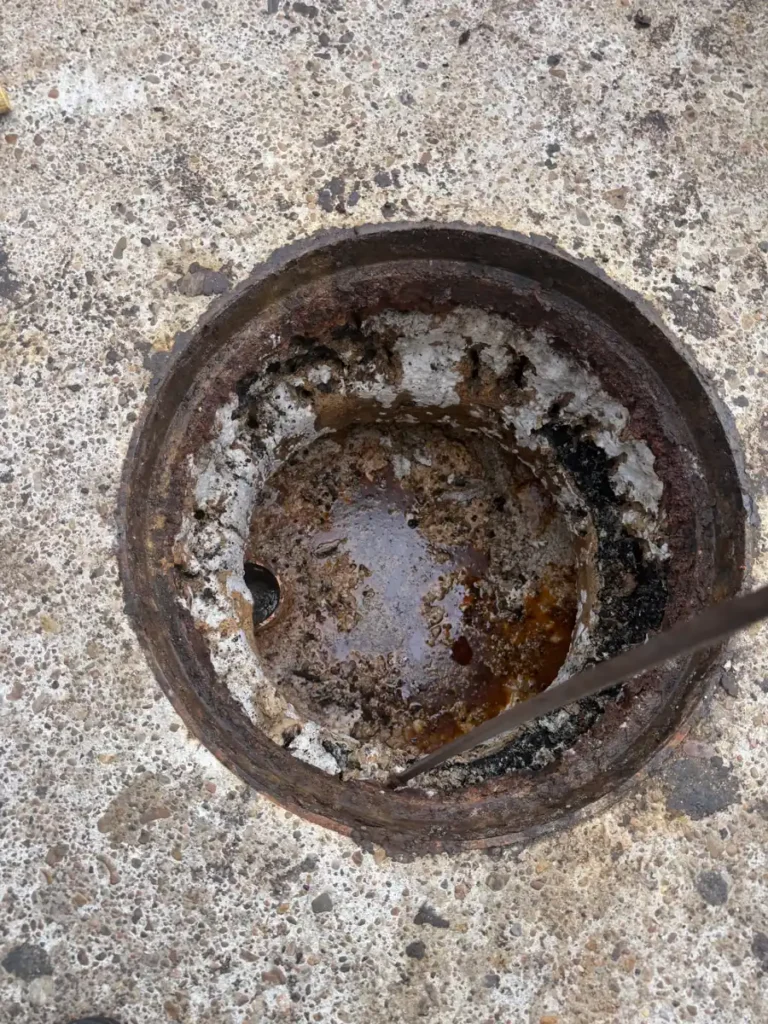
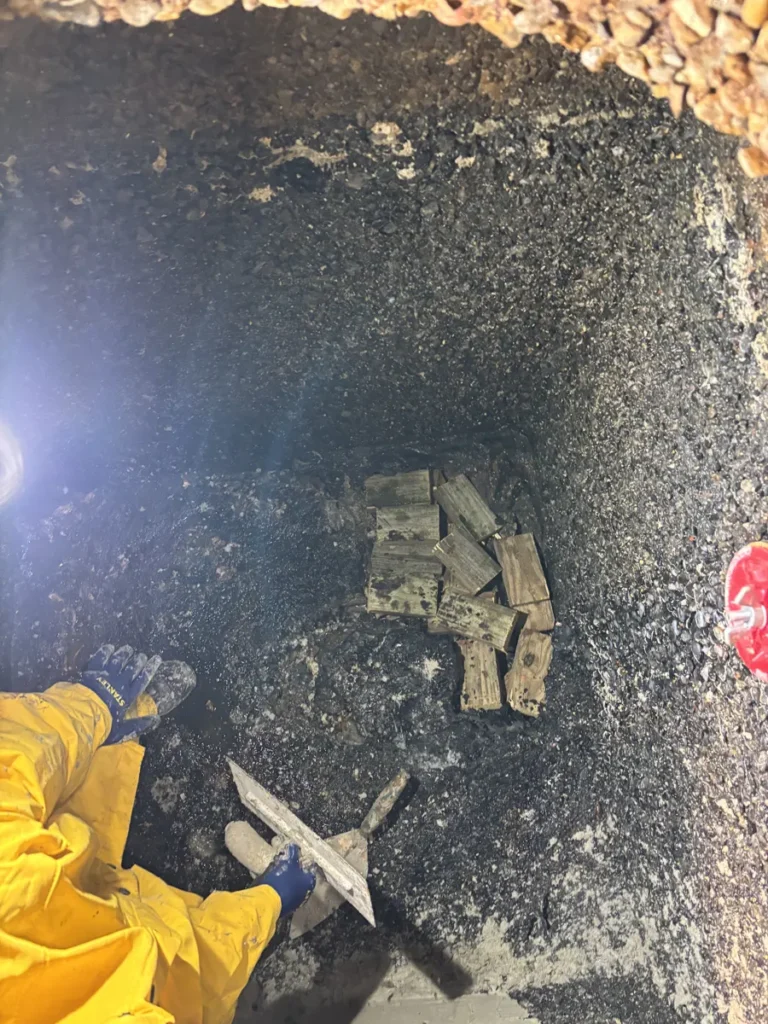
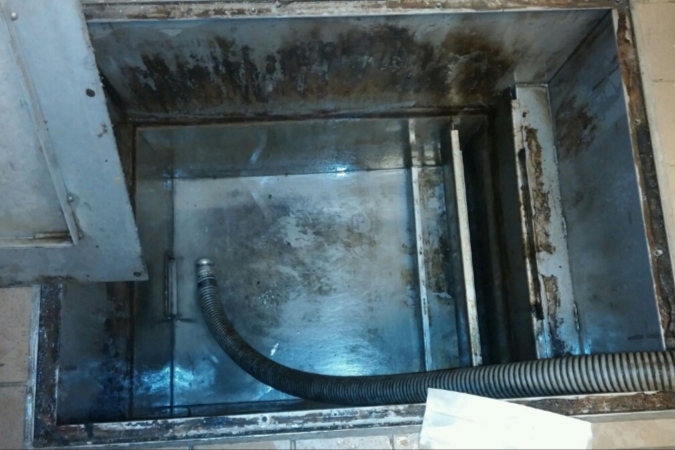
Restaurants and food-service businesses produce grease through cooking, washing equipment, and cleaning dishes. When oils and fats enter the drainage system, they can cool and gradually accumulate inside pipes. This buildup may make it harder for wastewater to move freely and can contribute to unpleasant drainage problems. A grease trap provides a designated location where grease can be separated from wastewater before it travels farther into the plumbing system. This makes grease management an important part of maintaining a functional commercial kitchen drainage setup.
How Does Installation Location Affect the System?
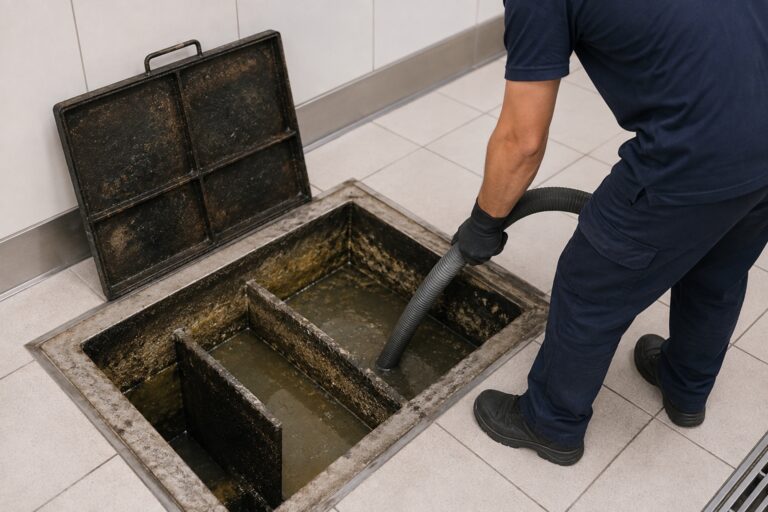
The location of a grease trap should be considered carefully before installation begins. It needs to connect effectively with the existing plumbing while remaining accessible for cleaning and inspection. Available space, drainage direction, kitchen fixtures, and pipe connections can all influence where the equipment should be positioned. A poorly planned location may make future maintenance more difficult or require unnecessary changes to the plumbing system. Reviewing the property’s existing layout can help create an installation approach that supports both current operation and future servicing.
What Determines the Right Grease Trap?
Different commercial kitchens can produce different amounts of wastewater and grease, so the same type or capacity of trap may not be suitable for every business. A busy restaurant with continuous food preparation may place greater demands on its grease management system than a smaller kitchen. Expected wastewater flow, kitchen usage, available space, and existing plumbing connections should be considered when selecting the equipment. Choosing an appropriately sized system can help ensure that the trap is capable of handling normal kitchen activity without becoming overwhelmed too quickly.
Why Is Proper Installation Important?
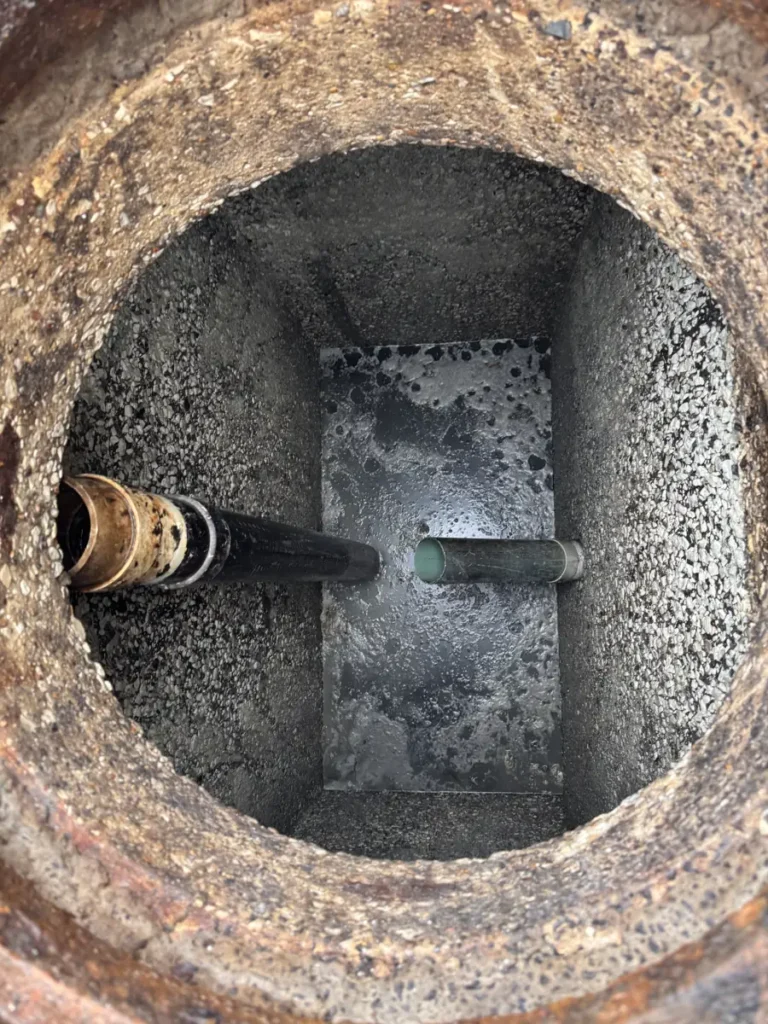
Correct installation is important because the grease trap needs to work efficiently with the surrounding drainage system. Connections must be properly fitted, while seals and joints should be secure enough to reduce the possibility of leaks. The trap should also remain accessible so that cleaning and inspections can be carried out without unnecessary difficulty. Grease Trap Installation Services in Dallas, TX can help businesses address these installation requirements and create a setup that supports effective grease separation and wastewater movement.
How Can Businesses Care for a Newly Installed Trap?
Installation is only the beginning of maintaining a reliable grease management system. Commercial kitchens should establish appropriate cleaning schedules based on their level of use and avoid sending excessive cooking oil, grease, and solid food waste into drains. Regular observation can also help identify changes such as unusual odors, slow drainage, or visible leaks. Grease Trap Repair Dallas can assist if the installed system later develops damage, drainage restrictions, or other issues requiring attention. Combining suitable installation with consistent maintenance can help businesses protect their drainage system and keep the grease trap working effectively over time.