How Deep Cleaning Keeps Dallas Grease Traps Working Properly?
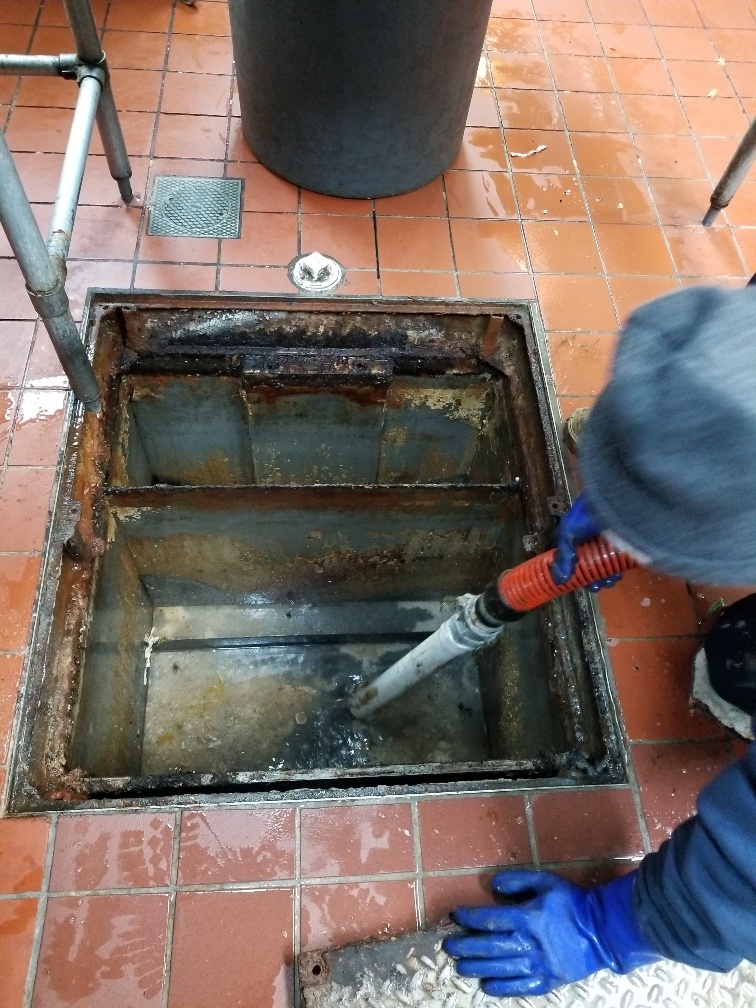
Restaurant kitchens produce grease, cooking oil, and food waste every day, which can gradually collect inside drainage systems. Regular cleaning helps prevent this buildup from affecting kitchen operations. Grease Trap Deep Cleaning in Dallas, TX, removes accumulated grease and food particles, helping commercial kitchens maintain better drainage and reduce unpleasant odors. For Dallas restaurants, proper maintenance also helps identify potential problems before they cause major disruptions.
What Causes Grease to Accumulate Inside Traps?
Grease traps separate fats, oils, and grease from wastewater before it enters the drainage system. During everyday cooking and dishwashing, small food particles and oily substances enter the trap and begin to collect. Over time, these materials form thick layers that reduce the space available for wastewater. If the buildup is not removed, the trap may become less effective at separating grease. Regular deep cleaning clears accumulated waste and helps the unit maintain its intended function.
How Can Deep Cleaning Support Better Drainage?
A grease trap filled with waste may struggle to handle wastewater from sinks and kitchen equipment. This can contribute to slow drainage, unpleasant smells, and recurring plumbing concerns. Deep cleaning removes grease and debris that have settled inside the unit, helping wastewater move through the system more efficiently. It also allows maintenance professionals to check the trap’s condition and identify visible concerns. Taking care of buildup before it becomes excessive can help restaurants reduce avoidable interruptions during busy working hours.
What Signs Indicate That Cleaning Is Needed?
Restaurant employees should notice changes in the kitchen’s drainage and general condition. Persistent odors around sinks or the grease trap may indicate accumulated waste. Slow-draining water, visible grease near drains, or recurring blockages can also suggest that the system needs attention. However, these signs may have other causes, so an inspection can help determine the actual issue. Addressing concerns early helps restaurant owners decide whether cleaning, repairs, or additional plumbing maintenance may be required.
How Often Should Dallas Businesses Clean Grease Traps?
Cleaning frequency depends on the trap’s capacity, the amount of food prepared, and the volume of wastewater produced. A busy commercial kitchen may collect grease much faster than a smaller café. Restaurant owners should follow applicable local requirements, manufacturer instructions, and guidance from qualified maintenance professionals. Keeping a record of cleaning dates and the amount of collected waste can help establish a suitable schedule. Regular inspections are also important because waiting for a blockage or overflow can create unnecessary problems for kitchen staff.
Which Habits Help Maintain a Cleaner Grease Trap?
Good kitchen practices can reduce the amount of grease and food waste entering the drainage system. Employees should scrape leftover food into waste containers, collect used cooking oil separately, and avoid pouring grease directly into sinks. Sink strainers can also help catch food particles before they reach the trap. These habits support routine maintenance but cannot replace proper cleaning. Grease Trap Repair Dallas can help businesses understand their grease trap maintenance needs and identify potential system concerns. Following a consistent cleaning routine helps restaurants support reliable drainage and maintain a cleaner working environment.