How Can Businesses Deal With Grease Trap Damage in Dallas, TX?
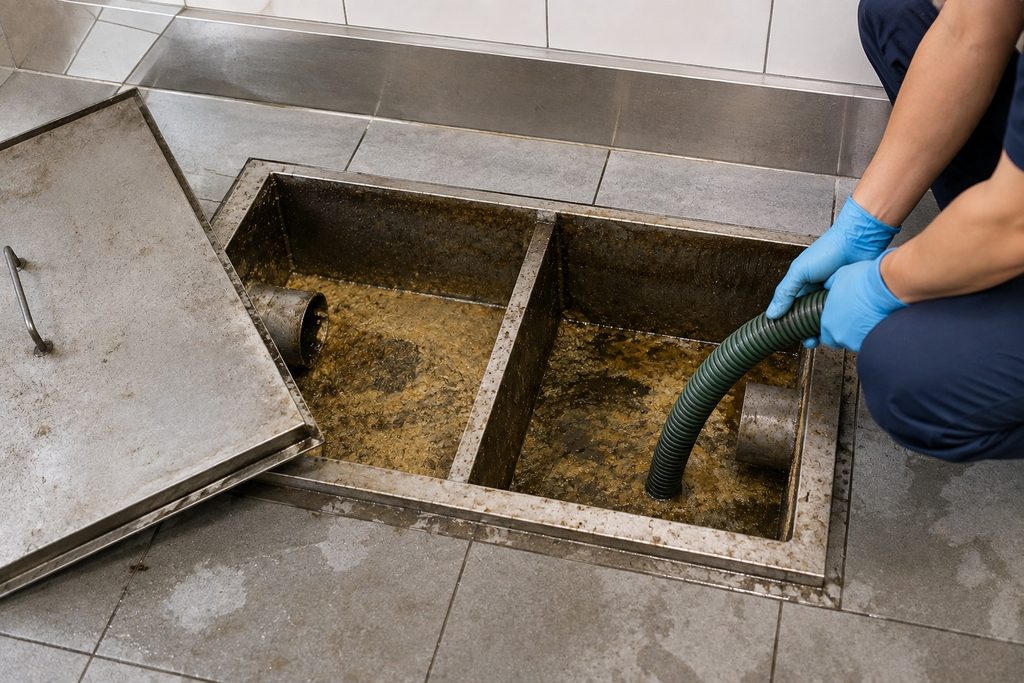
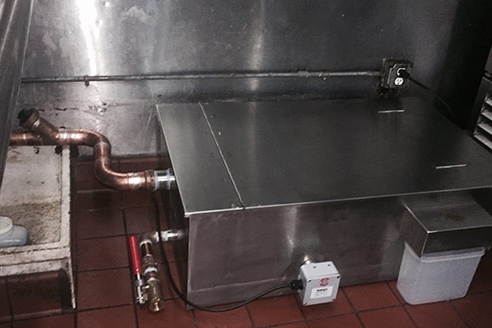
Commercial kitchens rely on grease traps to manage fats, oils, grease, and solid waste before wastewater enters the main drainage network. Over time, constant use, accumulated debris, damaged components, or drainage-related issues can affect the condition of the system. When a grease trap stops working properly, kitchen operations may be interrupted by slow drains, unpleasant smells, wastewater backups, or other plumbing concerns. Identifying these problems early can help businesses address them before they become more disruptive. Grease Trap Repair Services in Dallas, TX can help commercial kitchens investigate grease trap problems and restore the system to proper working condition.
What Can Damage a Commercial Grease Trap?
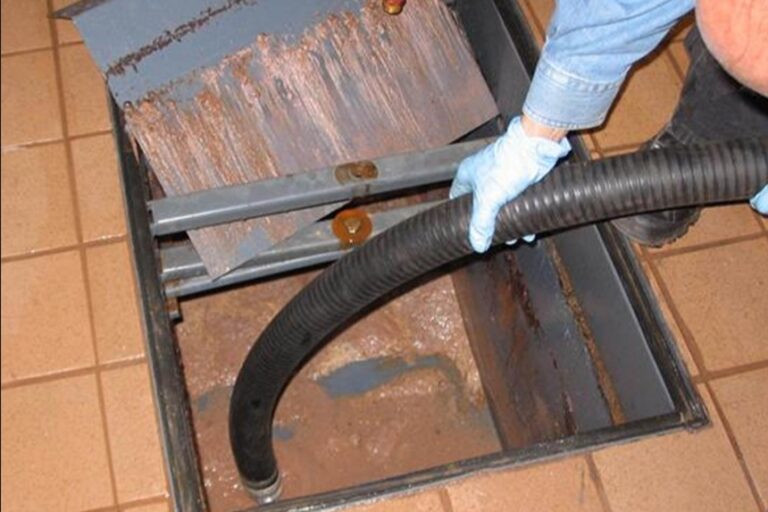
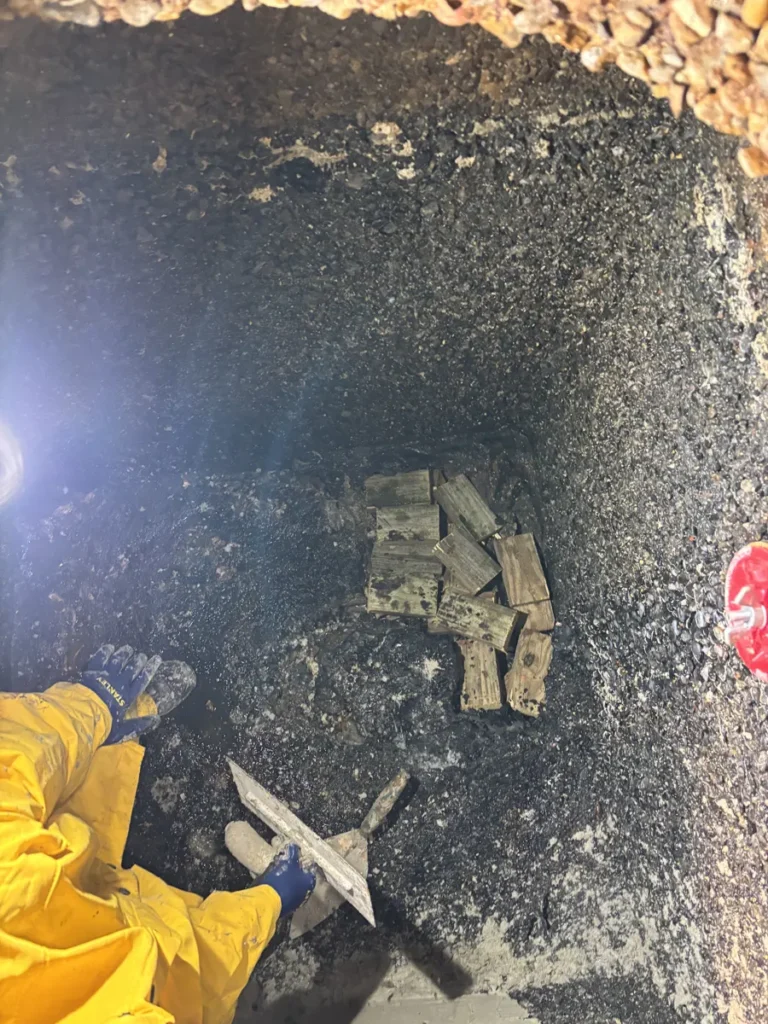
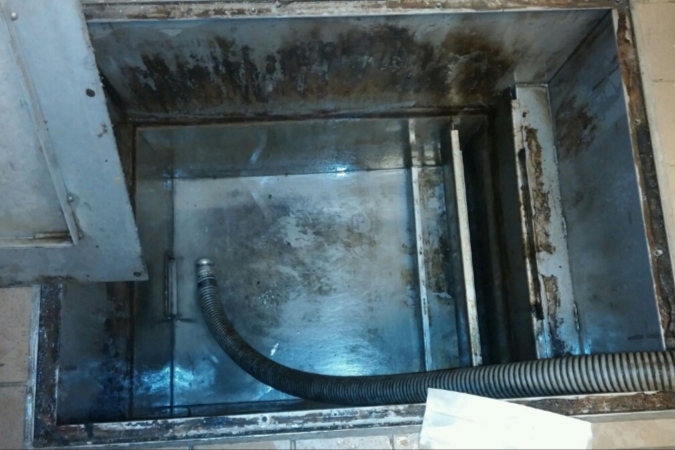
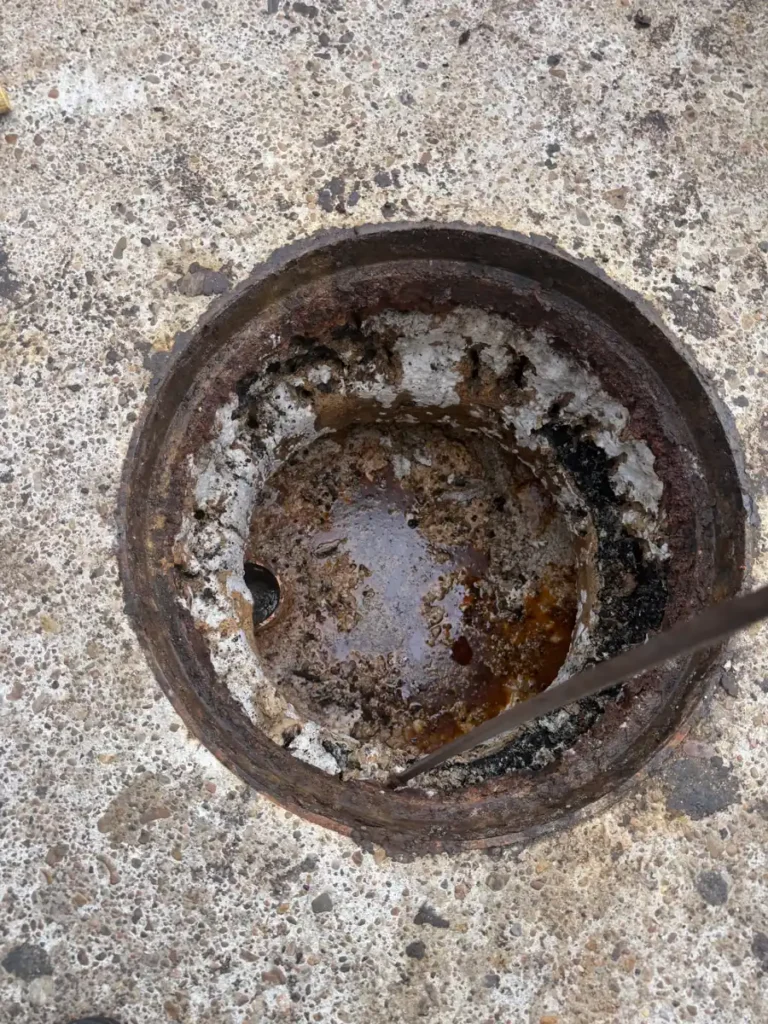
A grease trap can develop problems for several reasons during regular kitchen operations. Continuous exposure to grease and solid waste can create heavy buildup inside the unit, while damaged fittings or connections may affect how wastewater moves through the system. Physical wear can also impact certain components over time. In addition, improper use or insufficient cleaning may place additional strain on the trap. Understanding the possible source of a problem is important because repairing only the visible symptom may not resolve the underlying issue.
Which Warning Signs Should Kitchen Owners Watch For?
Changes in normal kitchen drainage can provide an early indication that a grease trap needs professional attention. Water draining more slowly than usual may point to an obstruction or excessive accumulation. Persistent foul odors around the trap can also occur when collected waste is not being managed properly. In some situations, wastewater may begin backing up through connected sinks or fixtures. Visible leakage around the unit is another concern that should be investigated. Paying attention to these warning signs allows businesses to arrange an inspection before a minor issue develops into a larger operational problem.
How Is a Grease Trap Problem Evaluated?
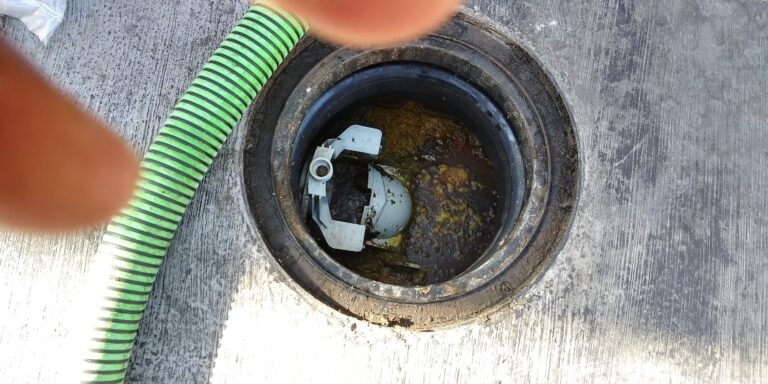
A proper repair begins with identifying what is actually affecting the system. A technician may examine the trap, plumbing connections, accessible components, and surrounding drainage lines to understand the source of the problem. The amount of accumulated grease or solid material may also need to be considered. Depending on the findings, the required work could involve cleaning, correcting a connection, replacing a damaged component, or addressing another issue affecting the trap’s operation. This type of assessment helps ensure that repair work is based on the condition of the actual system.
Why Should Repairs Not Be Delayed?
Ignoring a grease trap problem can create additional difficulties for a commercial kitchen. Continued grease accumulation may restrict wastewater movement, while unresolved leaks or damaged connections can affect nearby plumbing areas. Drainage backups can also interfere with normal food preparation and cleaning activities. Addressing a problem when it first becomes noticeable gives businesses an opportunity to understand the issue and arrange appropriate service before the condition becomes more disruptive. Professional Grease Trap Repair Services in Dallas, TX can help property owners respond to these concerns with an inspection and repair approach suited to their grease management system.
How Can Businesses Reduce Future Grease Trap Problems?
Repairing an existing problem is only one part of maintaining a commercial grease trap. Businesses can also support long-term system performance through regular cleaning, inspections, and attention to changes in drainage behavior. Kitchen staff should avoid treating sinks and drains as disposal points for materials that can contribute to excessive buildup. Keeping the area around the grease trap accessible can also make future servicing easier. Grease Trap Repair Dallas can assist businesses with grease trap-related repair and maintenance needs while helping them understand issues that may affect the performance of their commercial drainage system.