What Should Dallas Restaurants Know About Grease Trap Installation?
Grease traps help restaurants manage fats, oils, and grease before wastewater enters the plumbing system. During food preparation and dishwashing, these materials can flow into kitchen drains and gradually collect inside pipes. Grease Trap Installation Services in Dallas, TX involve selecting and positioning suitable equipment to handle a commercial kitchen’s wastewater. Proper installation helps reduce drainage problems, supports routine maintenance, and allows restaurant owners to manage grease more effectively.
How Does a Grease Trap Work?
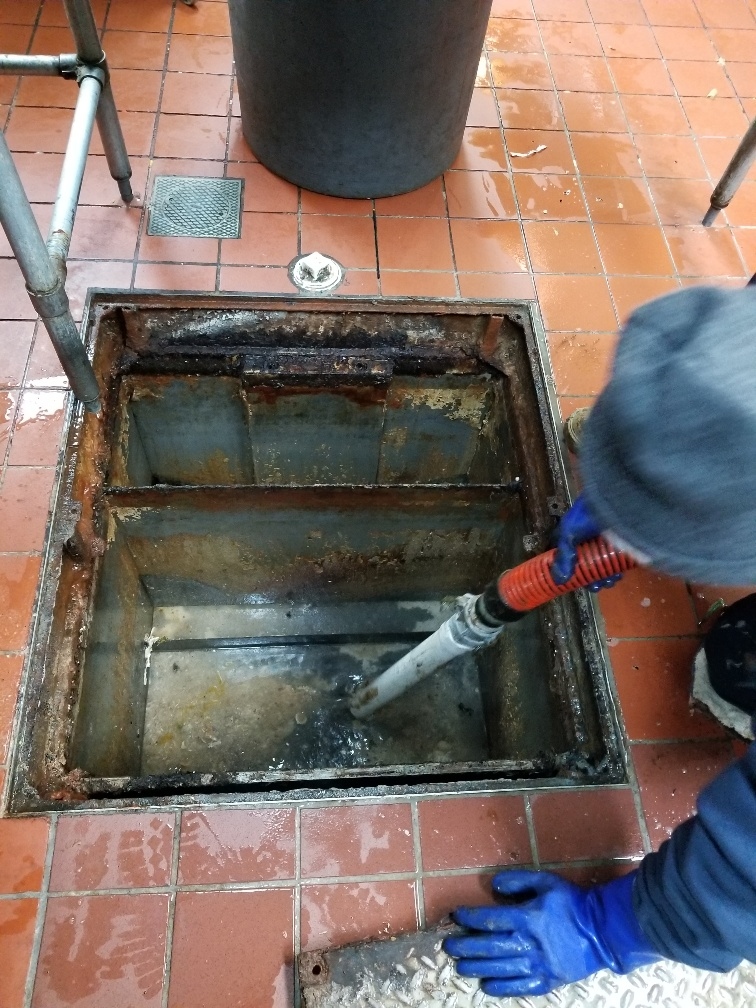
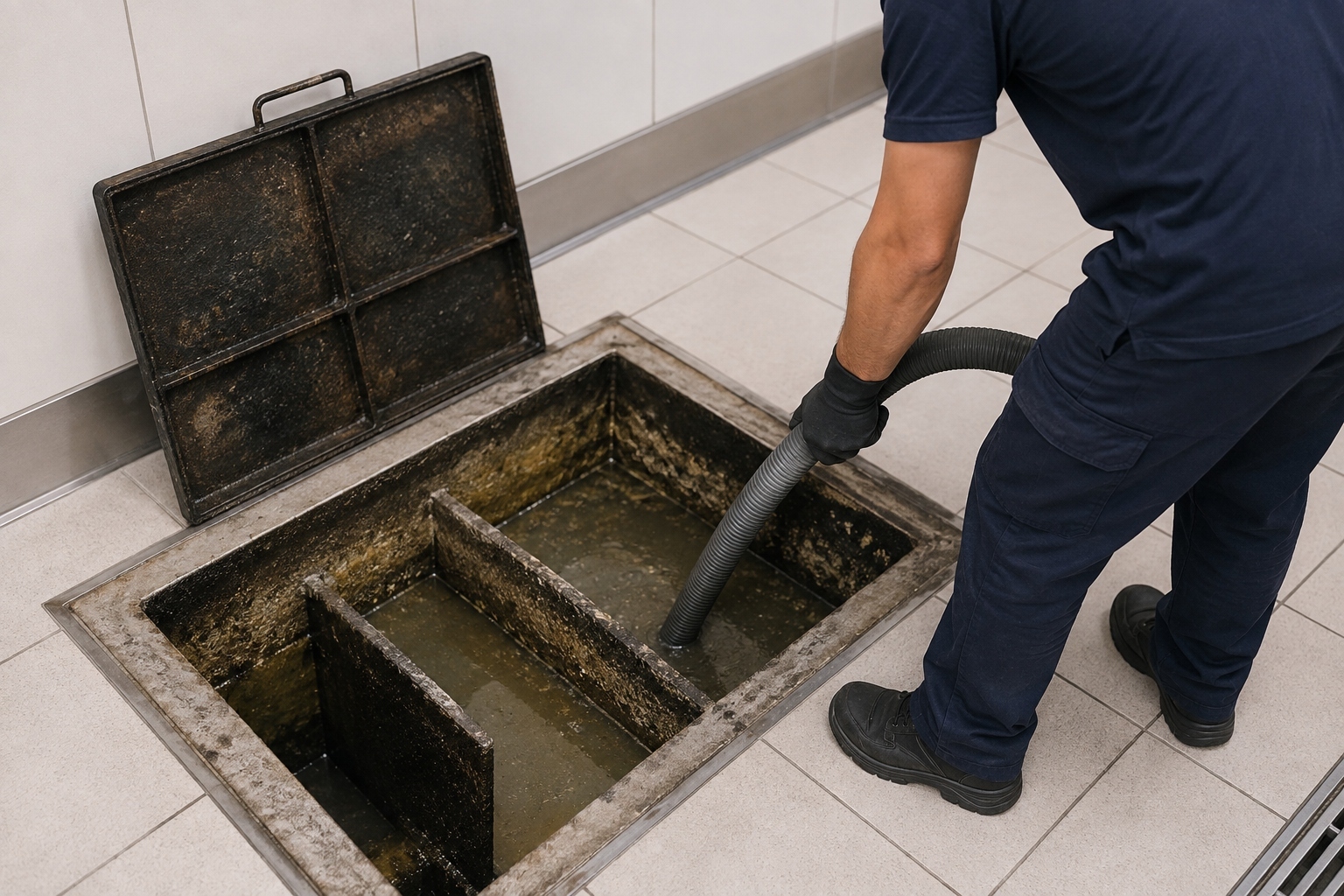
A grease trap separates fats, oils, and grease from wastewater before it moves into the drainage system. As wastewater enters the unit, grease rises toward the surface while heavier food particles settle at the bottom. The remaining water then flows toward the outlet. This separation process helps prevent grease from accumulating inside plumbing lines. However, the system works effectively only when its capacity, design, and maintenance schedule match the kitchen’s daily operations.
What Determines the Right Grease Trap Size?
Choosing the correct size depends on the restaurant’s water usage, number of sinks, food preparation activities, and dishwashing volume. A small café may have different requirements from a busy restaurant serving hundreds of customers daily. An undersized unit can fill quickly and require frequent cleaning, while an unnecessarily large system may increase installation costs. Restaurant owners should assess their kitchen layout and wastewater volume before choosing equipment. Local plumbing requirements and applicable regulations should also be reviewed during planning.
Where Should a Grease Trap Be Installed?
The installation location affects accessibility, cleaning, and the overall performance of the drainage system. Some commercial kitchens use compact units installed near sinks, while larger operations may require an outdoor or underground interceptor. The available space, drainage connections, ventilation requirements, and access for maintenance all influence placement. A properly selected location allows technicians to inspect and clean the unit without unnecessary disruption. Dallas restaurant owners should also confirm applicable local requirements before beginning installation.
Why Does Professional Installation Matter?
Incorrect connections, unsuitable equipment, or poor placement can contribute to leaks, slow drainage, unpleasant odors, and recurring plumbing issues. Professional installation involves evaluating the drainage layout, connecting the unit correctly, checking its operation, and identifying potential problems before regular use. Grease Trap Repair Dallas can help restaurant operators understand installation-related concerns and the importance of maintaining their grease management systems. Following the manufacturer’s recommendations and applicable local requirements can also help support reliable performance over time.
How Can Restaurants Maintain Their Grease Traps?
Regular maintenance helps prevent accumulated grease and food waste from interfering with normal operation. Restaurant staff should monitor drainage speed, watch for unusual odors, and arrange cleaning when the collected material approaches the recommended service level. Pouring cooking oil directly into sinks should be avoided because it can contribute to blockages in the plumbing system. Keeping maintenance records can help owners identify recurring issues and plan service before problems affect kitchen operations. With suitable equipment, correct installation, and consistent care, restaurants can manage wastewater more effectively.