What Dallas Restaurant Owners Should Know About Grease Trap Cleaning?
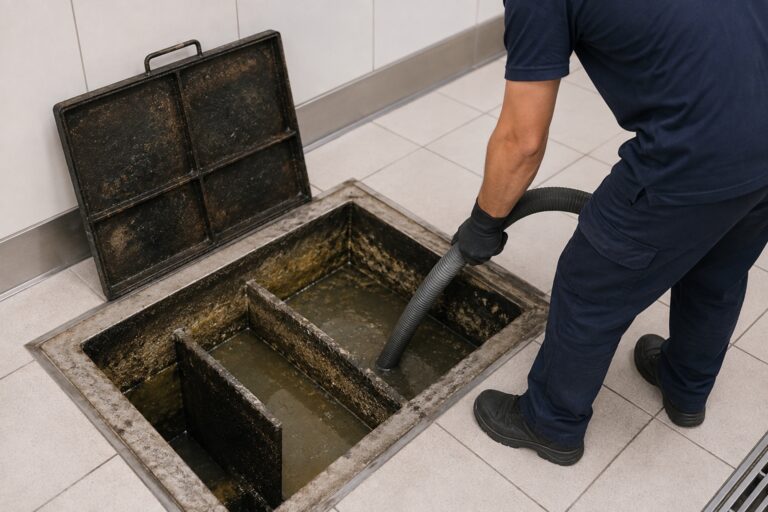
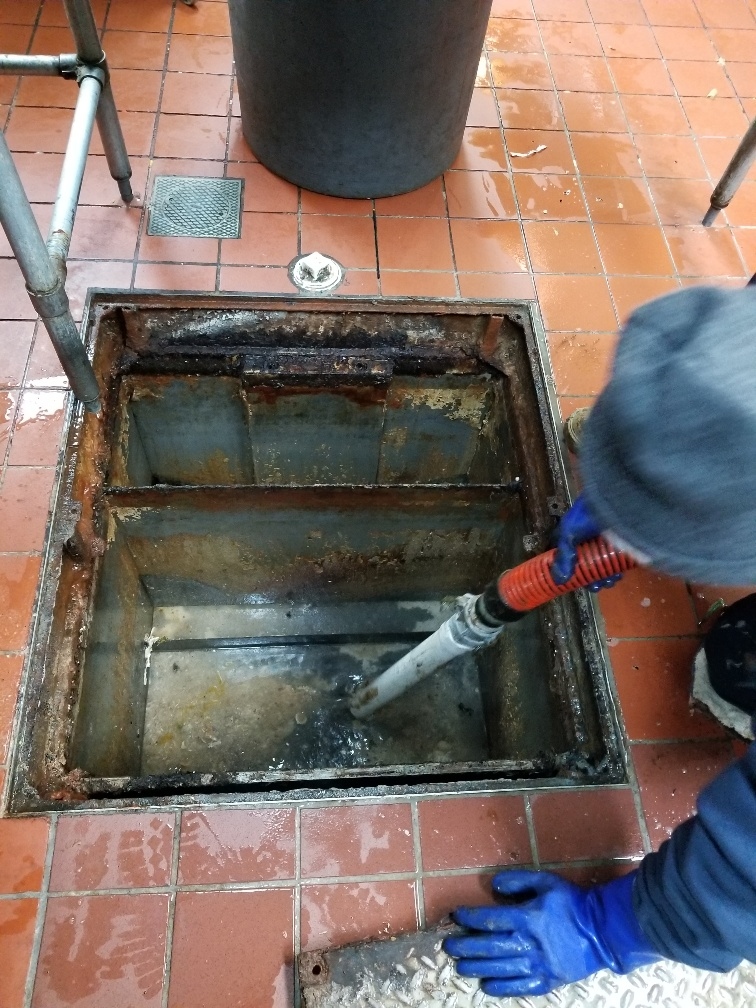
Commercial kitchens generate fats, oils, grease, and food residue during daily cooking and cleaning activities. These materials gradually collect inside grease traps, making routine maintenance important for effective wastewater management. When waste accumulates beyond the unit’s capacity, it can contribute to unpleasant odors, restricted drainage, and other plumbing concerns. Grease Trap Deep Cleaning in Dallas, TX helps remove accumulated deposits and maintain the equipment’s ability to separate grease from wastewater. Understanding the cleaning process allows restaurant owners to make informed decisions about their kitchen maintenance routines.
How Does Grease Build Up Inside a Trap?
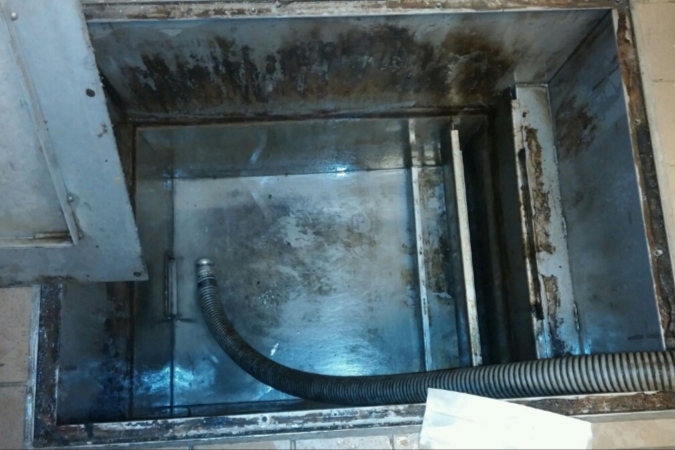
Grease traps work by slowing wastewater so fats, oils, and grease can separate from water before it enters the drainage system. Heavier food particles settle at the bottom, while lighter grease collects near the surface. Repeated use gradually increases these deposits, especially in kitchens that prepare large quantities of food. If accumulated waste is not removed, the available space inside the unit decreases and its separation performance may be affected. Proper cleaning removes collected material and helps the trap continue functioning as intended.
What Problems Can Develop Without Regular Cleaning?
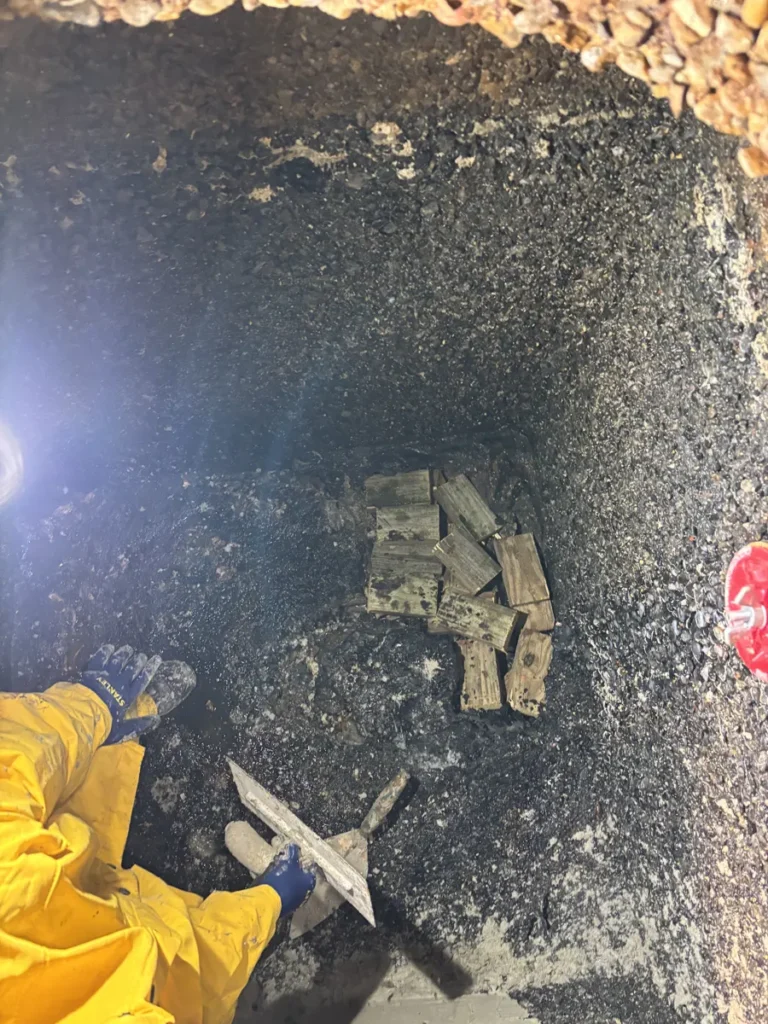
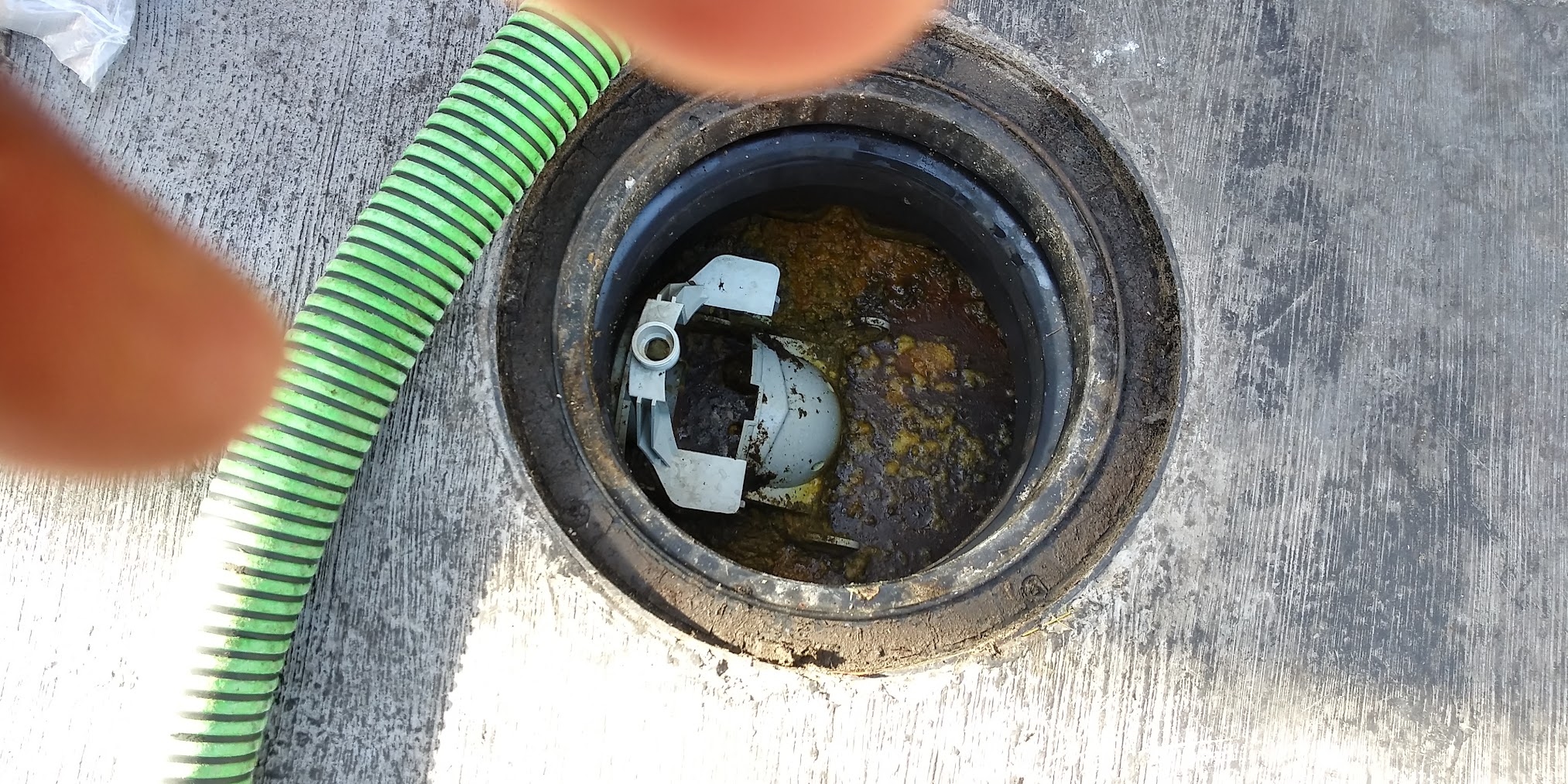
An overloaded grease trap may contribute to slow-draining sinks, recurring blockages, and strong odors around kitchen work areas. Excessive buildup can also make maintenance more difficult and increase the chance of wastewater-related interruptions. In some situations, grease may move into connected pipes and contribute to downstream drainage problems. However, not every blockage is caused by a full trap; damaged pipes or faulty connections may also be responsible. Regular cleaning and inspection help restaurant operators identify buildup early and determine whether additional plumbing attention is needed.
Which Warning Signs Should Kitchen Staff Recognize?
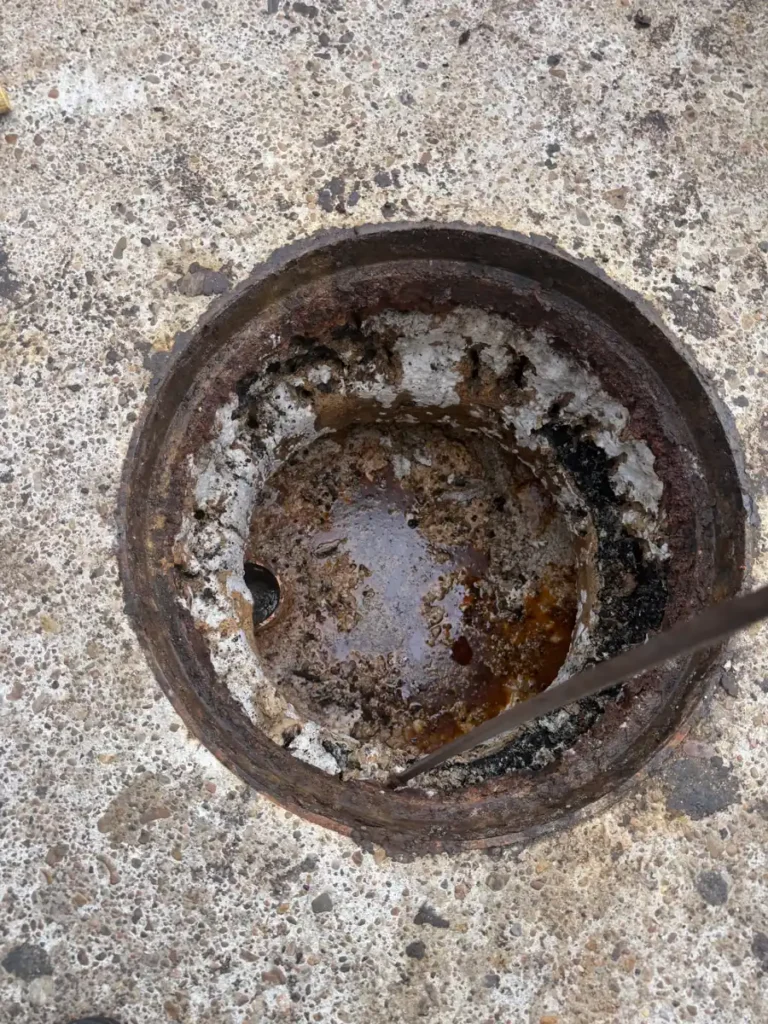
Restaurant employees should monitor drainage speed, unusual smells, and the condition of equipment surrounding the grease trap. Persistent odors, visible grease deposits, repeated sink backups, and water leaking around connections can indicate a problem. These signs should be investigated rather than ignored, particularly when they continue after routine cleaning. A professional inspection can help establish whether the trap needs deep cleaning, a component requires repair, or another part of the drainage system is affected. Recognizing warning signs early helps businesses plan maintenance before daily kitchen activities are disrupted.
What Determines the Right Cleaning Frequency?
Cleaning schedules depend on several factors, including trap capacity, kitchen workload, food preparation methods, and wastewater volume. A busy restaurant may accumulate grease much faster than a small café. Dallas businesses should consider manufacturer instructions, applicable local requirements, and recommendations from qualified maintenance professionals when planning service intervals. Keeping records of cleaning dates and the amount of waste removed can help identify how quickly deposits accumulate. Regular monitoring also makes it easier to adjust the schedule when kitchen activity changes or recurring problems appear.
How Can Restaurants Maintain Grease Traps Between Services?
Daily kitchen practices can reduce the amount of grease and food debris entering the drainage system. Staff should scrape food scraps into waste containers, collect used cooking oil separately, and avoid pouring fats into sinks. Strainers can help capture larger food particles before they reach the plumbing. Employees should also report slow drainage, leaks, or unusual odors promptly. These habits support routine maintenance but cannot replace proper cleaning. Grease Trap Repair Dallas helps businesses understand grease trap cleaning, repair, and maintenance needs. A consistent maintenance plan supports reliable drainage and helps keep commercial kitchen operations running smoothly.