How Does Grease Trap Installation Work in Dallas, TX?
Grease traps are an important part of wastewater management for restaurants, cafeterias, hotels, and other commercial kitchens. These systems help separate fats, oils, grease, and food solids from wastewater before it enters the drainage network. A properly planned installation can support better wastewater flow and make future maintenance more manageable. Grease Trap Installation Services in Dallas, TX can help businesses establish a grease management system that suits their kitchen layout, plumbing connections, and daily wastewater volume. Understanding the basic installation process can help commercial property owners make informed decisions when installing a new system or replacing an older one.
What Is the Purpose of a Grease Trap?
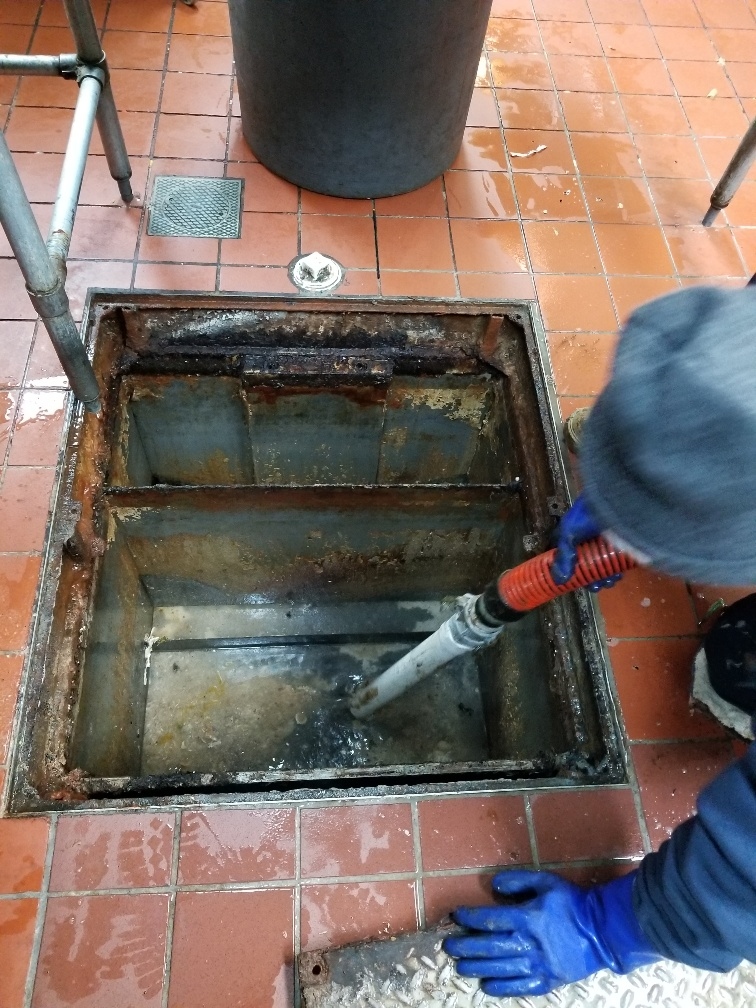
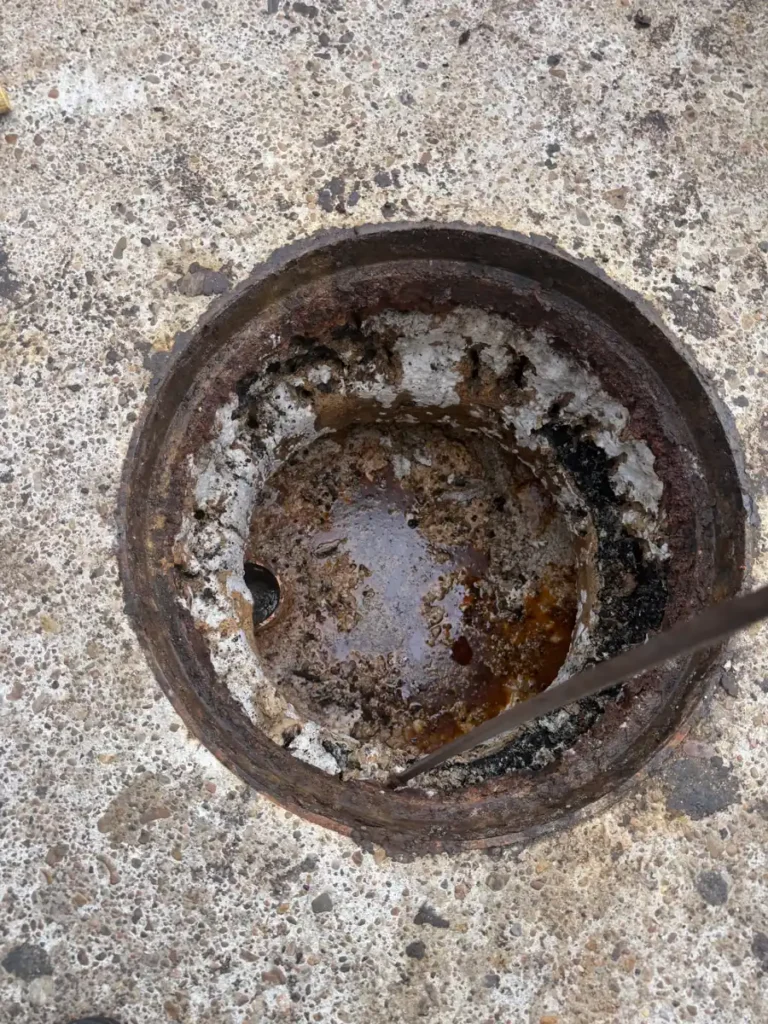
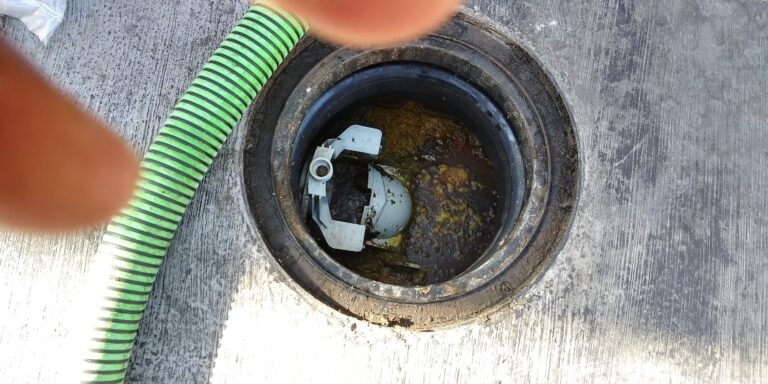
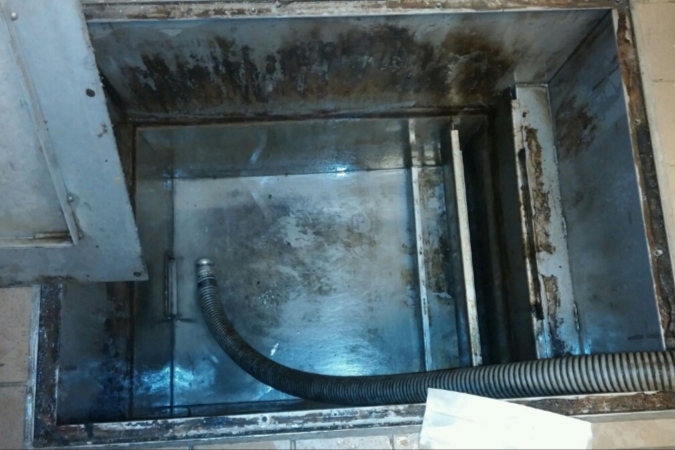
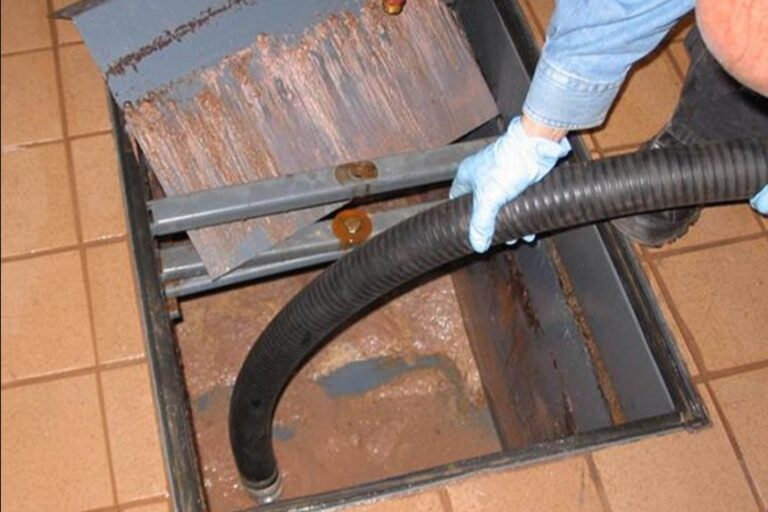
A grease trap is designed to slow down wastewater so grease and heavier materials can separate from the water. The collected grease and solids remain inside the trap while the wastewater continues through the drainage system. Without an appropriate grease management setup, excessive grease can enter plumbing lines and contribute to slow drainage, odors, or blockages. The size and type of trap required can depend on factors such as kitchen activity, the number of connected fixtures, and the amount of wastewater produced. Selecting a suitable system is therefore an important part of the installation process.
What Should Be Considered Before Installation?
Several factors should be reviewed before a grease trap is installed. Available space, existing plumbing connections, wastewater flow, and access for future cleaning can all influence the placement of the unit. The trap should be positioned where it can function effectively while remaining accessible for inspection and servicing. Businesses should also consider the amount of grease produced during normal kitchen operations. A high-volume restaurant may have different requirements from a smaller food-service facility. Reviewing these conditions beforehand can help reduce installation complications and create a more practical grease management system.
How Is a Grease Trap Installed?
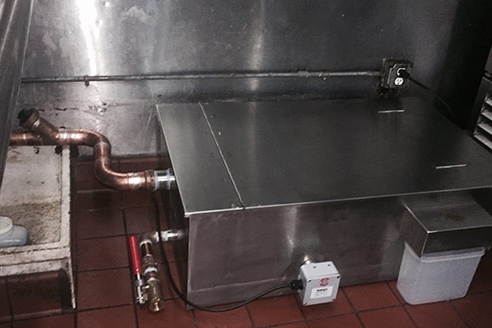
The installation generally begins by preparing the selected location and determining how the unit will connect to the existing plumbing. Appropriate inlet and outlet connections are established so wastewater can move through the trap correctly. The unit must be positioned securely, and the connections should be checked for leaks or other issues. Grease Trap Installation Services in Dallas, TX can help businesses establish these connections according to the requirements of their commercial kitchen. Grease Trap Repair Dallas can also assist with related concerns when an existing plumbing setup needs adjustment during a new installation or replacement.
When Does a Business Need a New Grease Trap?
A business may consider installing a new grease trap when opening a commercial kitchen, expanding operations, remodeling its plumbing system, or replacing an outdated unit. Changes in kitchen volume can increase the amount of grease and wastewater entering the system, which may make an existing trap less suitable. Recurring drainage problems, unpleasant odors, or difficulties with an older unit may also indicate that the current system should be evaluated. Reviewing kitchen usage, plumbing layout, and available space before installation can help businesses determine a more suitable grease trap solution.
How Can Proper Installation Support Long-Term Performance?
Installing a grease trap correctly is only the first step in maintaining effective grease management. After installation, regular cleaning and inspections are necessary because grease and solids gradually accumulate inside the unit. Businesses should monitor drainage performance, odors, leaks, and other changes that could indicate a developing issue. Keeping the trap accessible also makes routine servicing easier. When proper installation is combined with consistent maintenance, commercial kitchens can support more reliable wastewater management and reduce avoidable plumbing concerns. A well-planned system provides a practical foundation for managing grease throughout the ongoing operation of a Dallas kitchen.